1. The welfare of the animals must come before all other considerations of any observer, amateur or professional.
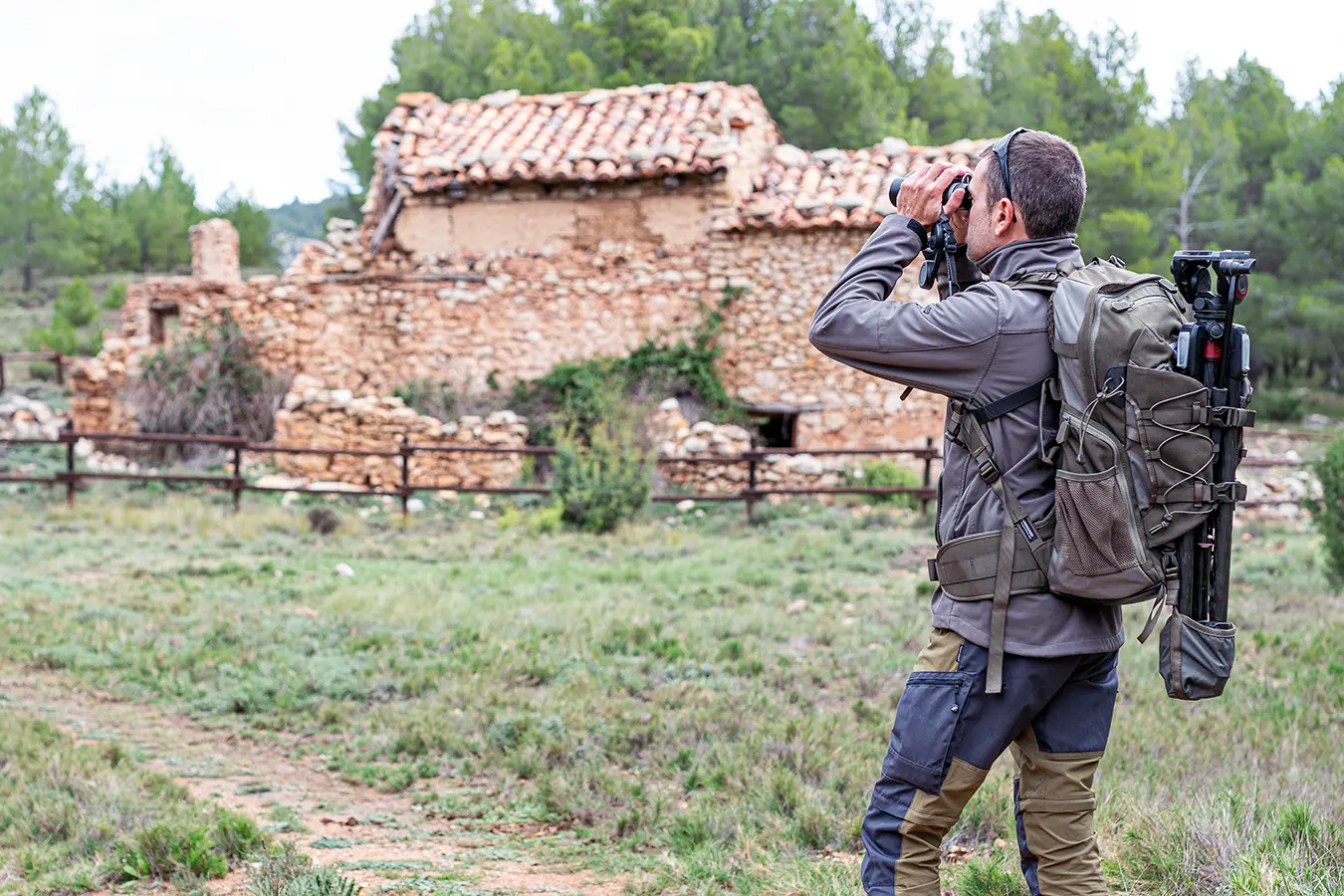
2. Do not disclose the location of nests, colonies or places sensitive to possible disturbances. During the breeding season, even more precautions must be taken. You must stay away from nests and breeding colonies, roosts, mating and feeding areas. Continuous observation or photography can be done from the car, hides or observatories intended for this purpose.
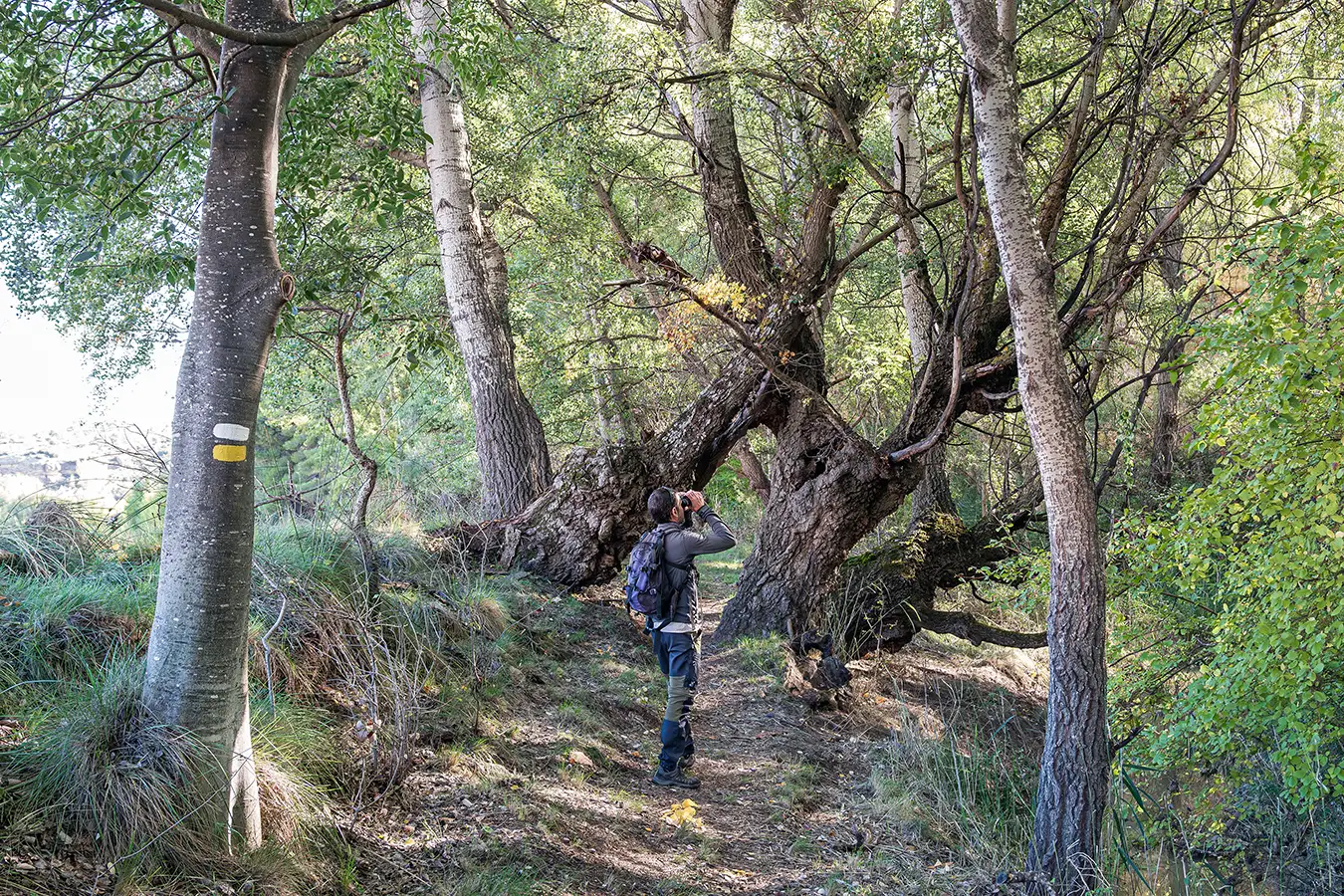
3. Try to go as unnoticed as possible, speak in a low voice, be discreet and wear non-flashy colours.
4. Birds that are resting during long and tiring migratory journeys are very sensitive to any disturbance. You must remember that if they let you get close to them it is because they are exhausted and without energy reserves. You must let them rest and feed in peace.
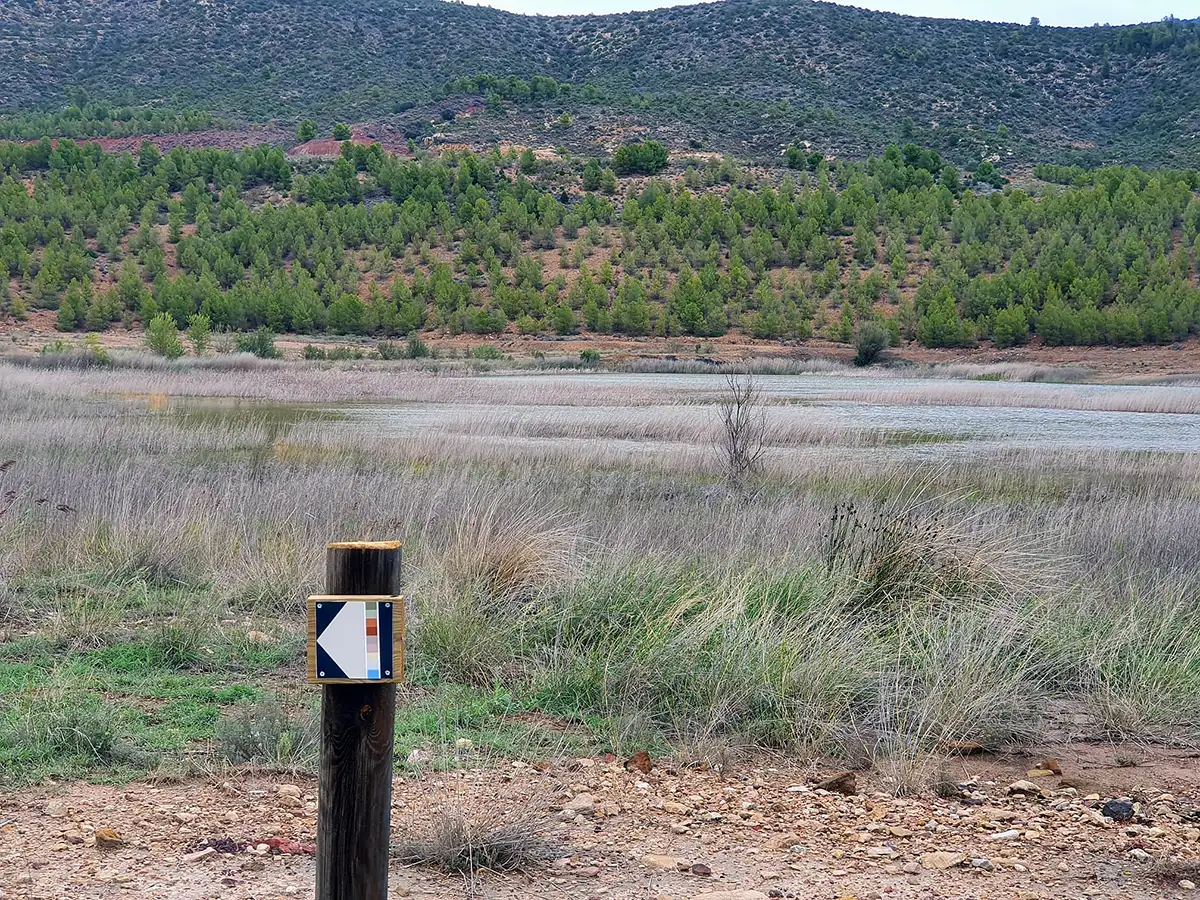
5. Always stay on paths, tracks or roads. Damage or disturbance to any type of habitat must be minimized.
6. Leave the visited space as you found it or, if possible, better.
7. Inform the authorities if you detect any disturbance to birds or their natural environment.
8. Wildlife observation or photography is an essential tool for the protection of nature.
9. Support the conservation of habitats important to birds through regional and local associations and NGOs.
10. Observation data can be of great scientific interest. Upload it to any App dedicated to citizen science.
11. Always comply with existing legislation. Find out about the specific regulations of each place and the need to request special permits for observation or photography of sensitive species.
12. Be respectful and kind to everyone. Exemplary behaviour will generate a good image of bird watchers.
13. Contribute to sustainable tourism. Whenever possible, choose accommodation with environmental and tourist quality certification. Consume local products, preferably from organic. Calculate the environmental impact of the trip and think about how it can be reduced in the future.
14. Support local businesses so that the natural wealth and the presence of birds in the territory becomes a sustainable resource for Andorra-Sierra de Arcos.
15. Spread this ethical code by making it known and leading by example.